

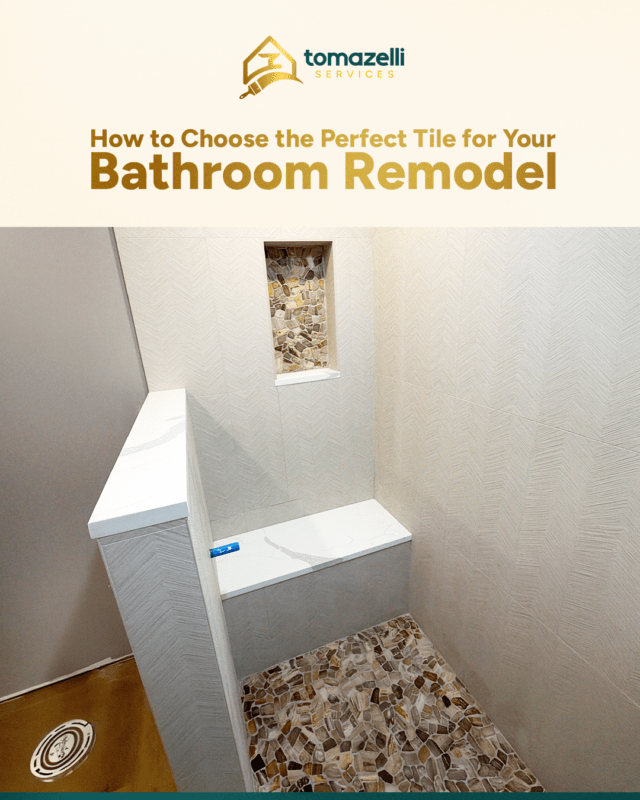
The execution of a high-end bathroom renovation requires a strategic balance between aesthetic design and material science. Bathrooms are high-humidity environments exposed to constant moisture, temperature fluctuations, and chemical agents from cleaning products and toiletries. Selecting the wrong surface material can lead to water infiltration, slick surfaces, and rapid material degradation. Choosing the right tile is the definitive strategy to protect your property infrastructure, prevent moisture retention, and elevate the long-term market value of your real estate asset.
The architectural selection process focuses heavily on water absorption rates and slip-resistance ratings. For wet areas like shower floors and walls, porcelain tile serves as an excellent case study for durability. Porcelain is fired at higher temperatures than standard ceramic tile, making it denser, highly scratch-resistant, and nearly impervious to water penetration. Additionally, homeowners must check the Dynamic Coefficient of Friction rating to ensure the selected tile provides sufficient traction when wet, minimizing slip-and-fall hazards for residents and guests.
Beyond functional utility, layout scaling dictates how a renovated bathroom feels and operates. Utilizing large-format tiles in smaller bathrooms reduces the number of visible grout lines, creating a clean, continuous visual plane that expands the perception of spatial grid volume. To secure these heavy, premium tiles permanently without structural lippage, installers must apply high-performance polymer-modified mortars over perfectly leveled backer boards. Investing in professional material integration protects the subfloor from rot, blocks mold growth, and ensures your bathroom layout remains flawless for decades.
Highlights
- High-Density Porcelain Integration: Sourcing materials with low water absorption rates to prevent sub-floor moisture damage.
- Traction and Safety Calibration: Reviewing friction ratings to select slip-resistant surfaces for high-moisture shower zones.
- Spatial Scale Optimization: Implementing large-format tiles to minimize grout joints and create an elegant, expansive layout.
- Polymer-Modified Mortar Application: Using advanced bonding agents to ensure flush tile placement and eliminate surface lippage.
Data and Indicators
- Low-porosity porcelain tiles resist moisture absorption and cracking significantly better than standard porous ceramic alternatives in humid environments.
- Textured or mosaic tile layouts dramatically increase underfoot friction, providing a safer walking surface during wet conditions.
Impact
- Costly Sub-Floor Water Rot: Installing porous tiles without proper waterproofing layers allows water to seep into walls, destroying wood framing.
- Early Surface Grout Cracking: Neglecting to level the substrate causes tiles to shift under pressure, breaking the surrounding grout joints.
- Hazardous Slipping Incident Risks: Using high-gloss, smooth polished tiles on shower floors turns wet zones into dangerous walking spaces.
Context
Achieving a beautiful, durable, and structurally sound bathroom layout requires an expert contractor who understands waterproofing systems and stone mechanics. Leaving your tile installation to general handymen often results in loose tiles, cracked grout, and water leaks. Tomazelli Services provides the skilled field teams, precise surface preparation, and absolute technical discipline needed to execute premium tile installations that protect your home investment.
